Commercial Electrical Installation is the backbone of modern business operations, providing the power necessary to run lighting, HVAC systems, office equipment, machinery, and digital networks. While electricity is essential for productivity and comfort, it also carries inherent risks if not installed or maintained correctly. Faulty wiring, overloaded circuits, and outdated systems can lead to fires, equipment damage, and serious safety hazards. This makes adherence to safety standards and electrical code compliance a critical aspect of any commercial project. Ensuring that an electrical system meets current codes not only protects occupants and assets but also improves efficiency and reduces long-term operational costs.
Electrical codes are developed and updated by regulatory authorities to establish minimum safety requirements for the design, installation, and maintenance of electrical systems. These codes encompass aspects such as wiring methods, panel specifications, grounding and bonding requirements, protective devices, and emergency systems. Compliance is not a matter of preference; it is a legal and operational obligation. Property owners, contractors, and facility managers must ensure that all commercial installations meet or exceed these standards to prevent accidents, protect investments, and satisfy insurance and regulatory requirements.
One of the primary reasons code compliance is vital is safety. Electrical systems in commercial buildings often handle significant loads and complex equipment, increasing the potential for hazards. Overloaded circuits, improper grounding, and faulty connections can result in fires, shocks, and system failures. Codes are designed to mitigate these risks by specifying correct conductor sizes, breaker ratings, outlet placement, and the use of protective devices such as ground fault circuit interrupters (GFCIs) and arc fault circuit interrupters (AFCIs). Proper adherence to these standards significantly reduces the likelihood of accidents and ensures a safer working environment.
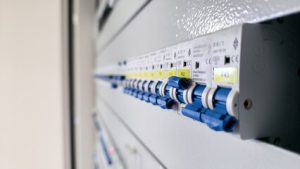
Electrical panels are central to code-compliant installations. Modern codes require panels to be properly sized, labeled, and installed with sufficient clearance to allow safe access. Panels must include circuit breakers or protective devices rated appropriately for connected equipment. Over time, older panels may become inadequate due to increased power demands, expansion of electrical loads, or deterioration of components. Upgrading panels to meet current standards ensures both safety and capacity for modern systems. Properly installed panels also facilitate maintenance, troubleshooting, and expansion, providing long-term operational flexibility.
Grounding and bonding are other critical components of commercial electrical safety. Grounding provides a low-resistance path for stray electrical current to prevent shocks or damage during faults. Bonding ensures that all conductive parts of a system are electrically connected, reducing the risk of dangerous voltage differences. Codes specify grounding electrode requirements, bonding methods, and conductor sizing to protect people, equipment, and property. A code-compliant installation guarantees that these protective measures are in place, reducing the risk of electrical accidents and equipment malfunctions.
Load calculation and circuit design are integral to maintaining compliance and safety. Commercial buildings often have multiple systems operating simultaneously, including lighting, HVAC, refrigeration, machinery, and digital infrastructure. Proper load analysis determines how circuits are distributed and prevents overloading. Codes establish maximum allowable loads for conductors and devices, helping engineers and electricians design systems that operate within safe parameters. Well-designed circuits enhance efficiency, prevent overheating, and reduce energy waste, while ensuring that all equipment receives reliable and stable power.
Modern electrical codes also emphasize emergency preparedness and redundancy. Commercial installations are required to incorporate backup power solutions, such as emergency lighting, generators, and uninterrupted power supply systems, depending on occupancy and operational needs. Compliance ensures that these systems function correctly during power outages and maintain critical operations without risk to personnel or property. Licensed electricians install and test these systems according to code requirements, ensuring reliability and safety in emergency situations.
Lighting systems represent a significant portion of commercial electrical infrastructure, and codes dictate many aspects of their installation. Requirements include proper spacing, load limits, emergency illumination, and energy efficiency standards. High-occupancy areas, such as offices, conference rooms, and corridors, often require additional safety measures, including AFCIs and GFCIs, to reduce the risk of fire and shock. Code compliance ensures that lighting not only provides sufficient illumination but also operates safely and efficiently within the broader electrical system.
Electrical inspections are essential to verifying compliance. Licensed electricians conduct thorough inspections of wiring, panels, outlets, grounding systems, and protective devices. Inspections may also utilize advanced tools such as thermal imaging to detect hotspots or hidden issues that could compromise safety. By identifying deficiencies early, inspections prevent costly repairs, mitigate fire risks, and ensure adherence to regulatory standards. Routine inspections are particularly important in commercial buildings, where high occupancy, equipment density, and operational complexity increase the potential for electrical issues.
The use of protective devices is a key focus of safety standards. Circuit breakers, fuses, surge protection, and fault detection systems prevent overloads, short circuits, and equipment damage. Modern commercial codes often require AFCIs in common areas to detect arcing faults that can ignite fires. GFCIs are mandatory in areas prone to moisture, such as kitchens, restrooms, and utility rooms. Incorporating these devices during installation or upgrades ensures that the electrical system provides comprehensive protection for occupants and equipment.
Documentation and labeling are also crucial for compliance. Codes require clear identification of circuits, panel components, and protective devices. Proper labeling improves maintenance efficiency, facilitates troubleshooting, and ensures that emergency personnel can safely manage electrical systems during incidents. A well-documented installation supports long-term operational safety and simplifies future expansions or modifications.
Commercial electrical systems are also increasingly designed with energy efficiency in mind. While safety and code compliance are primary concerns, energy-efficient solutions can coexist with regulatory requirements. Codes often address power distribution efficiency, proper conductor sizing to reduce voltage drop, and integration of energy-saving technologies such as LED lighting and smart controls. Code-compliant installations that incorporate these strategies not only protect occupants but also reduce operational costs and environmental impact.
Maintenance and ongoing monitoring are integral to sustaining compliance. Even well-installed systems can degrade over time due to wear, environmental conditions, or changing operational demands. Licensed electricians recommend regular inspections, preventative maintenance, and system testing to ensure continued adherence to codes. Timely maintenance prevents minor issues from escalating into serious hazards, maintaining both safety and operational reliability over the long term.
When selecting professionals for commercial electrical installation, licensure and experience are critical. Licensed electricians possess the knowledge and training required to interpret and apply codes accurately. They understand complex wiring methods, load calculations, panel upgrades, grounding techniques, and safety protocols. Experienced professionals also provide valuable guidance in planning installations that meet regulatory standards while accommodating future growth and technological advancements.
Evaluating contractors based on their experience, references, and demonstrated expertise ensures that commercial electrical installations are both safe and code-compliant. Past projects provide insights into their capability to handle high-capacity systems, coordinate with other trades, and complete installations efficiently. Effective communication, project management skills, and adherence to timelines are equally important for large-scale commercial projects, where delays can have significant operational or financial consequences.
The benefits of prioritizing safety standards and code compliance in commercial electrical installations are extensive:
- Reduced Risk of Fire and Electrical Hazards – Proper wiring, protective devices, and adherence to codes minimize the likelihood of accidents.
- Regulatory and Legal Protection – Compliance prevents fines, penalties, and potential legal liabilities.
- Operational Reliability – Well-designed systems reduce downtime, prevent overloads, and extend equipment lifespan.
- Enhanced Efficiency – Code-compliant installations often incorporate energy-saving practices and reduce unnecessary power loss.
- Future-Ready Infrastructure – Systems designed to code standards can accommodate expansions, technology upgrades, and increased energy demands.
Commercial buildings are dynamic environments, often requiring upgrades and expansions over time. Electrical systems must evolve to support new equipment, energy management solutions, and technological innovations. Code compliance ensures that any modifications are integrated safely, minimizing disruption and protecting occupants. Licensed electricians guide these upgrades, ensuring consistency with safety standards and regulatory requirements.
Emergency preparedness is another aspect of code compliance that cannot be overlooked. Properly installed emergency lighting, backup circuits, and surge protection systems are often mandated for commercial properties. Compliance ensures that these systems operate effectively during outages, protecting personnel and critical equipment. Additionally, code-compliant installations facilitate safe evacuation and minimize operational interruptions during emergencies.
In conclusion, commercial electrical installation is far more than connecting wires and installing panels. It requires careful planning, adherence to evolving safety standards, and strict compliance with electrical codes. These measures protect building occupants, reduce the risk of accidents, and ensure reliable operation of critical systems. Professional oversight by licensed electricians guarantees that every aspect of the installation—from load analysis and panel configuration to grounding, protective devices, and documentation—meets or exceeds regulatory standards.
By prioritizing code compliance and safety standards, commercial property owners achieve reliable, efficient, and scalable electrical systems. These installations support business operations, reduce maintenance and operational costs, and provide a foundation for future expansion or technology integration. In today’s increasingly complex commercial environments, adherence to safety standards is not optional—it is essential for protecting people, property, and long-term operational success.